
Ristretto vs Espresso vs Lungo: Which Shot Should You Pull?
Short, normal or long: how ristretto, espresso and lungo shots differ in ratio, taste and technique, and when to choose each one.
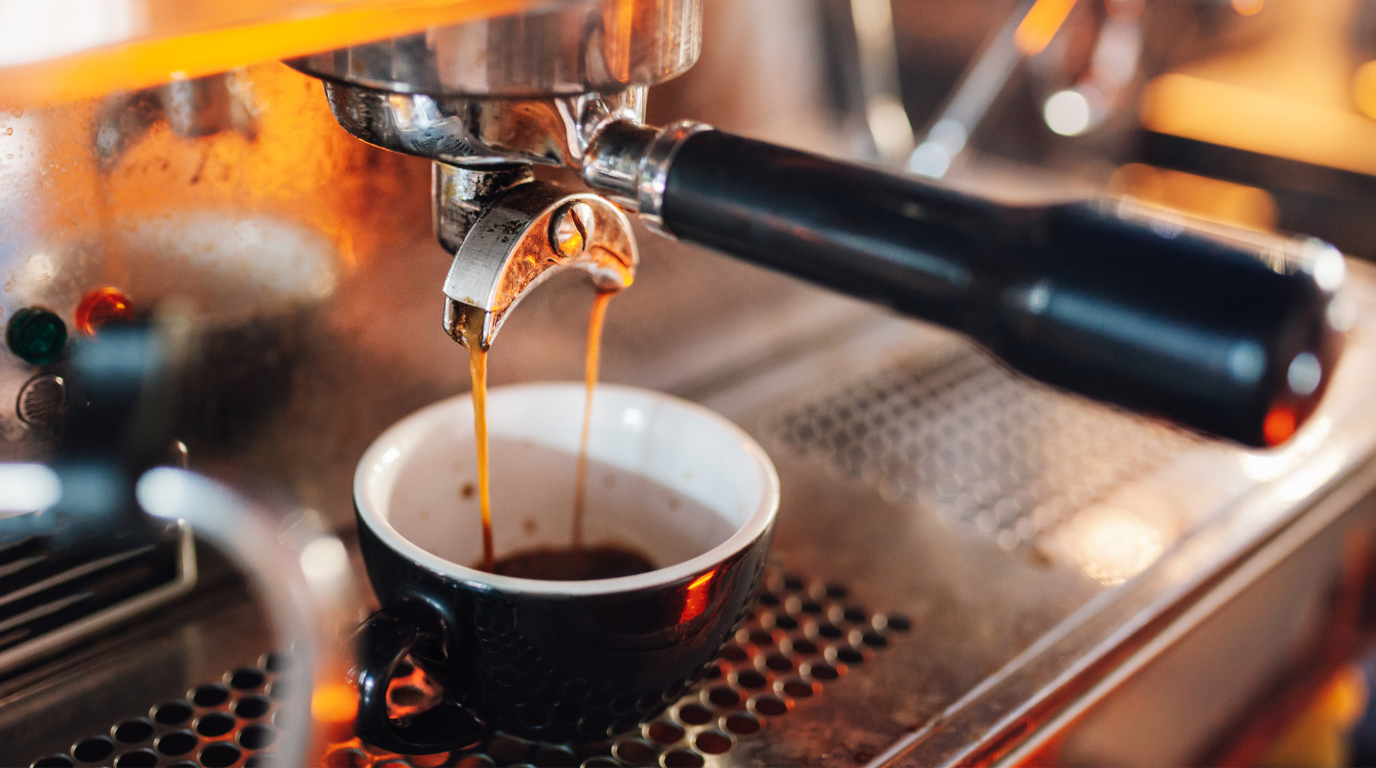
Ristretto vs espresso vs lungo is really a question about one variable: how much water you push through the same dose of coffee. A ristretto is a short, concentrated shot, a normal espresso sits in the middle, and a lungo is a long shot that uses roughly twice the water of a normal espresso. The change sounds simple, but because different flavour compounds dissolve at different speeds, each shot tastes genuinely different rather than just stronger or weaker. This guide explains the ratios, the taste, and how to pull each shot at home.
The three shots at a glance
| Shot | Rough brew ratio (coffee to liquid) | Typical result | Taste |
|---|---|---|---|
| Ristretto | About 1:1 | Very short, thick, syrupy | Concentrated, sweet, heavy body, lower bitterness |
| Espresso (normale) | About 1:2 | A standard single is often quoted at 25 to 30 ml | Balanced sweetness, acidity and bitterness |
| Lungo | About 1:4 | Longer shot, often 50 to 70 ml, taking up to a minute | Thinner, more bitter and drier, with more roasty notes |
These numbers are a rough guide, not a standard. Ristretto, normale and lungo are relative terms without exact measurements, and cafes set their own recipes. What stays constant is the logic: same coffee, more or less water.
Why the length of the shot changes the taste
When hot water passes through coffee, it does not dissolve everything at once. Acids and many aromatic compounds come out early; sugars and heavier compounds follow; the slower, more bitter and astringent compounds dominate the end of the shot. You can see this in the cup: the first drops of a shot are dark and thick, and the last part runs pale and thin.
A ristretto stops early, so it captures mostly the fast-dissolving, concentrated start of the extraction. It contains fewer of the compounds associated with over-extraction, which is why it tastes sweeter and rounder, even though it is more concentrated. A lungo keeps going, so it collects more of the tail of the extraction: more volume, lower concentration, and more of the bitter and drying notes. That is why a ristretto is not simply twice as strong as an espresso, and a lungo is not simply half as strong.
The same principle explains why a dialled-in shot can still taste sour or bitter. Our guide to why coffee tastes bitter or sour covers extraction and strength in more detail.
Ristretto: short and syrupy
Ristretto means restricted or shortened in Italian, and in France it is called cafe serre. It uses the same amount of ground coffee as a normal shot but roughly half the water. A double ristretto from a double basket might fill only about 20 ml, compared with about 40 ml for a normal double. To keep the shot from running too fast with less water, baristas usually grind a little finer, or simply stop the shot earlier.
Ristretto suits people who find espresso too bitter, and it is a popular base for small milk drinks because its sweetness and body push through the milk. It is also a good way to taste the soft, chocolate-like side of a mild coffee.
Espresso: the reference point
A normal espresso is the benchmark the other two are measured against. A commonly quoted description is a shot of around 25 to 30 ml for a single, pulled in roughly 18 to 30 seconds, while a double shot often uses about 14 to 18 g of ground coffee. Home baristas today more often think in brew ratios by weight, with about 1:2 a common starting point. Our guide to making espresso with Blue Mountain coffee walks through dose, yield and shot time, and how to adjust one variable at a time.
Lungo: the long pull
Lungo means long. It is made in an espresso machine with roughly twice as much water as a normal shot through the same dose, so it may fill 50 to 70 ml and take up to a minute. In French it is called cafe allonge. Because more of the late extraction ends up in the cup, a lungo is thinner and usually more bitter than an espresso. Even with the same ratio of water to coffee, it does not taste like a cup of filter coffee, because the pressure and fine grind of espresso extract differently.
Some people grind slightly coarser for a lungo so the longer shot does not stall or become harsh. If your lungo tastes ashy or drying, try a coarser grind or a shorter shot.
Lungo vs americano
The two are often confused because both make a longer black coffee from an espresso machine. The difference is when the extra water is added. In a lungo, all the water passes through the coffee, so the extra water extracts more from the grounds. In an americano, a normal espresso is pulled and hot water is added afterwards, so the extra water only dilutes it. An americano therefore tends to taste cleaner and less bitter than a lungo of the same size, because the bitter tail of a long extraction never reaches the cup.
How to pull each shot at home
- Dial in a normal espresso first. Weigh your dose, aim for about twice that weight in the cup, and adjust the grind until the shot tastes balanced.
- For a ristretto, keep the same dose and stop the shot at about the same weight as the dose (a ratio near 1:1). If it now runs too quickly or tastes sour, grind a little finer.
- For a lungo, keep the same dose and let the shot run to about four times the dose weight. If it tastes harsh, grind a little coarser.
- Taste them side by side. Pull all three on the same day with the same beans and compare sweetness, body and bitterness. It is the quickest way to learn what you prefer.
- Write down the recipe. Note dose, output weight, time and grind setting for the version you like best.
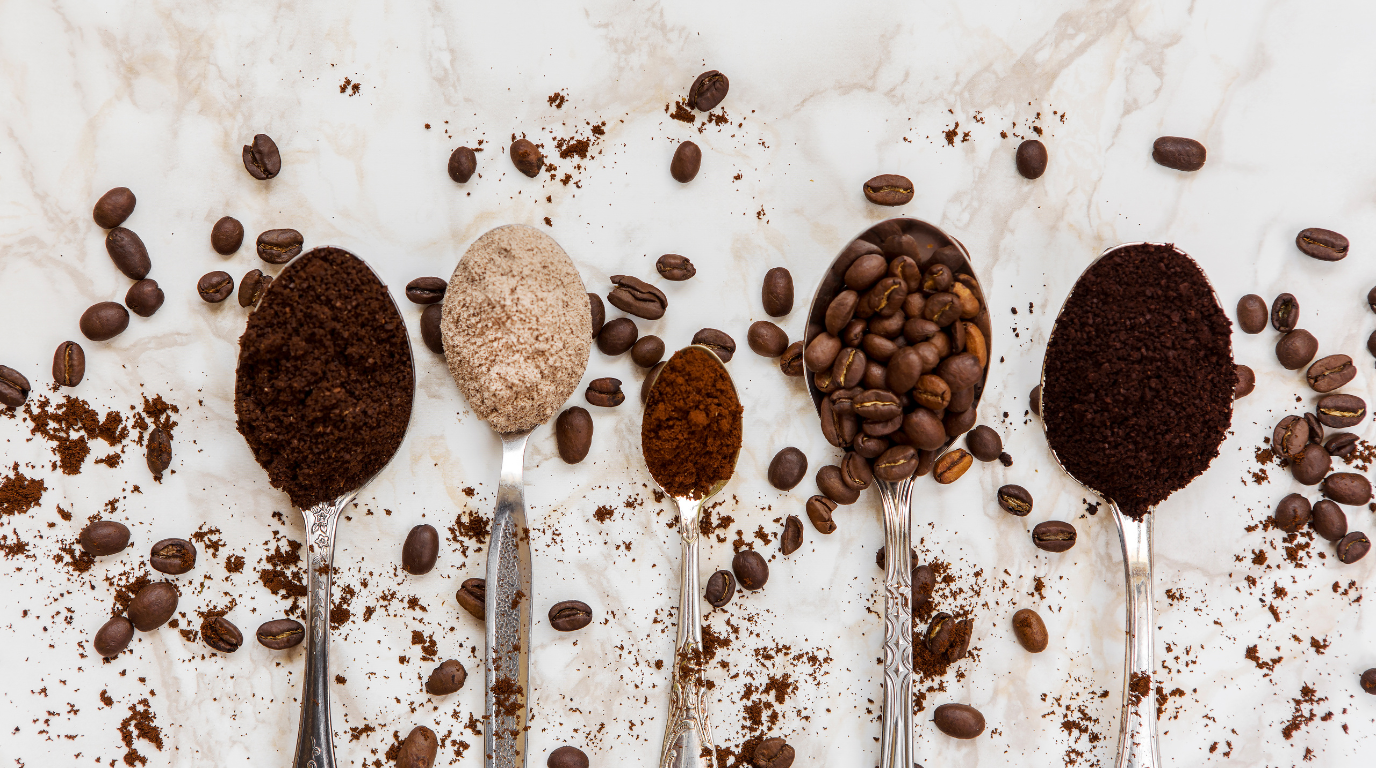
Grind matters most here. Our coffee grind size chart explains why small grind changes have such a big effect on espresso, and the water you use matters too; see the best water for coffee.
Which shot suits a mild coffee like Jamaica Blue Mountain?
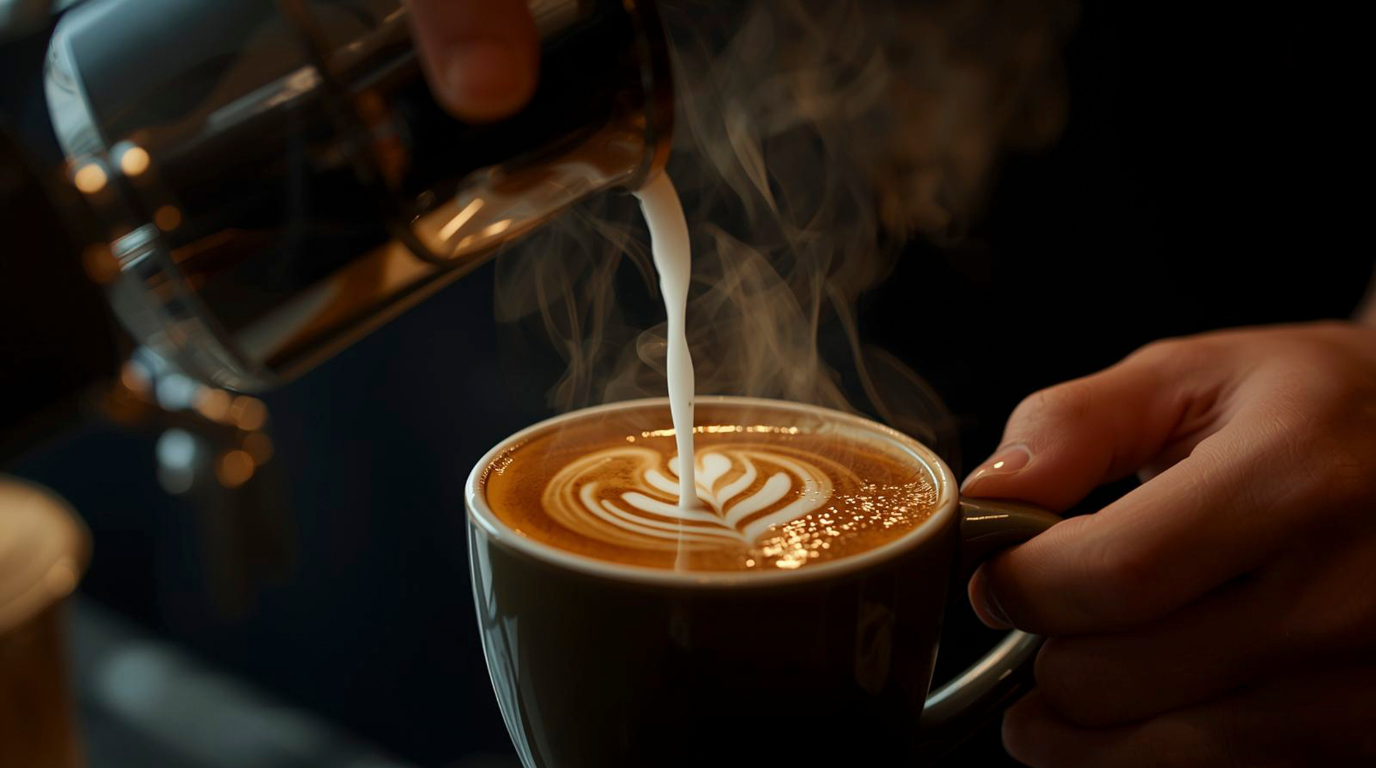
Jamaica Blue Mountain is valued for balance and smoothness rather than intensity. A ristretto or a normale usually shows that character best: sweet, rounded and gentle. A lungo tends to add bitterness that covers the coffee's subtlety, so if you want a longer cup, an americano or a pour-over is usually the kinder route. For milk drinks, a ristretto base keeps the coffee noticeable under the milk; our comparison of latte vs cappuccino vs flat white explains which drink to build on top. Freshly ground Jamaica Blue Mountain whole beans give you the most control over grind, and the full range is in the shop.
Sources
Frequently Asked Questions
Is a ristretto stronger than an espresso?
What is the difference between a lungo and an americano?
Do I need a different grind for ristretto and lungo?
What ratio is a ristretto, espresso and lungo?
Which espresso shot is best for milk drinks?
Was this helpful?
Ready to taste it?
Shop 100% authentic Jamaica Blue Mountain Coffee — whole bean, ground and pods.
Shop Coffee
0 Comments
Be the first to share your thoughts.
Leave a comment
Please sign in with your email to leave a comment.