
Coffee Degassing: How Long to Rest Beans After Roasting
Freshly roasted coffee is full of carbon dioxide. Here is what degassing is, what research shows about it, and how long to rest beans before brewing.
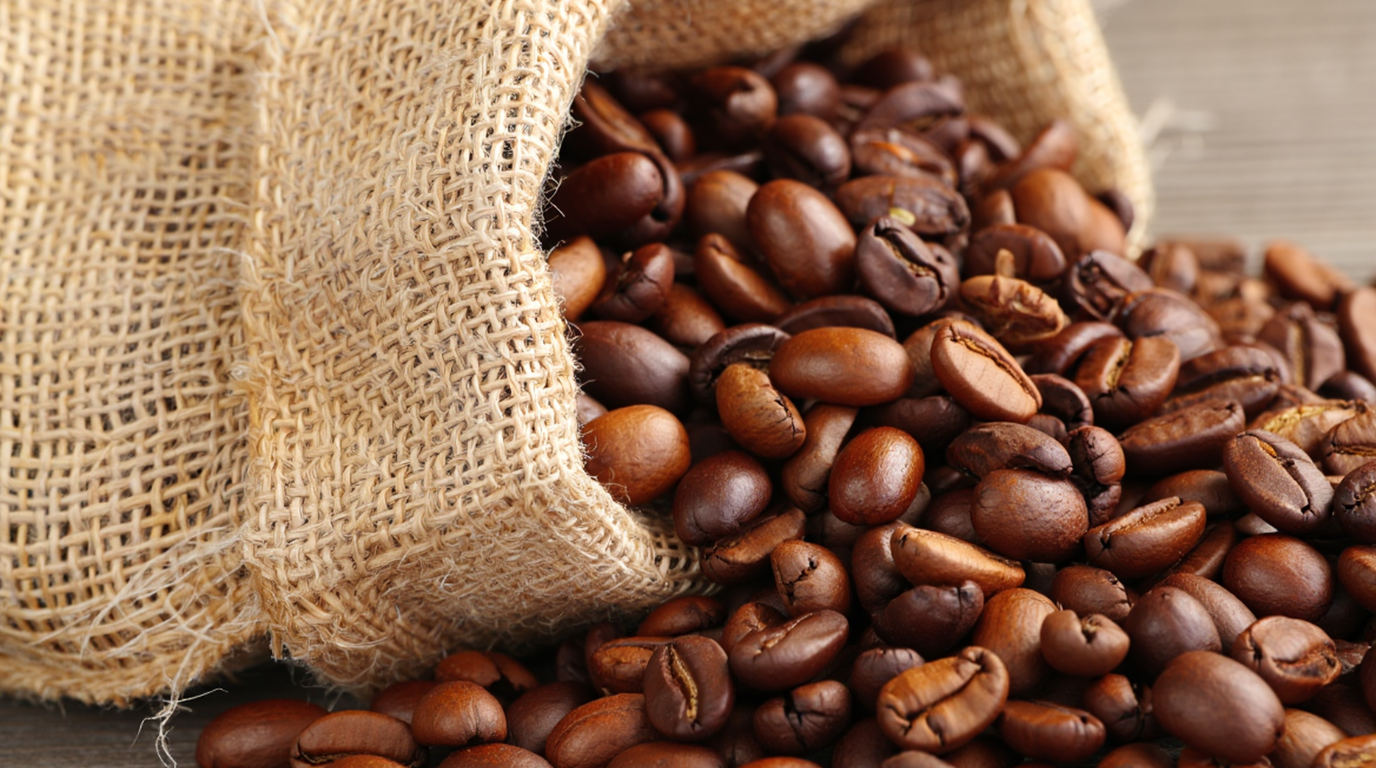
Coffee degassing is the slow release of carbon dioxide from roasted coffee beans, and it explains several things home brewers notice without knowing why: the puffed-up bag with a little valve, the vigorous bubbling when hot water hits fresh grounds, and the advice that coffee straight from the roaster is not always at its best. Understanding degassing helps you decide how long to rest beans after roasting, when to grind, and how to store coffee so it tastes as good as possible. This guide explains what is happening inside the bean and turns it into practical advice.
What is coffee degassing?
During roasting, heat drives chemical reactions inside the bean that produce gases, and a large share of that gas is carbon dioxide (CO2). Some of it escapes in the roaster. The rest is trapped in the porous structure of the roasted bean and is released gradually during storage, or much more suddenly when the coffee is ground and brewed. Researchers at the Coffee Excellence Center of the Zurich University of Applied Sciences (ZHAW) describe CO2 as an indicator of freshness that also affects shelf life, packaging, extraction and crema, and may affect flavour in the cup.
That is why freshly roasted coffee is often packed in bags with a one-way valve. The valve lets gas out so the bag does not swell or burst, without letting outside air in.
What the research shows
In a 2018 study in the Journal of Agricultural and Food Chemistry, the ZHAW team weighed containers of roasted coffee very precisely over weeks to measure how much gas escaped and how fast. Their findings are useful for anyone who buys or roasts coffee:
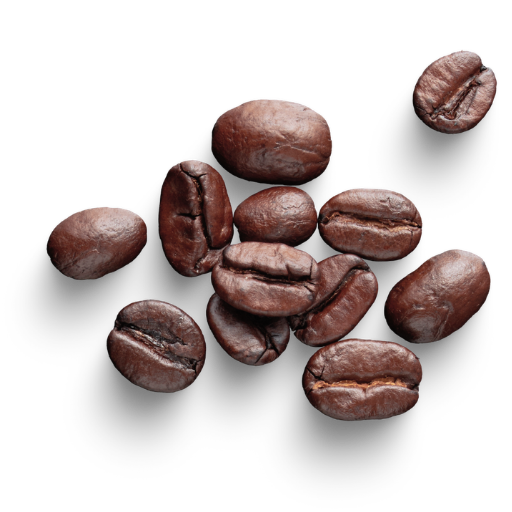
- Darker roasts hold and release more gas. Whole Arabica beans roasted light lost about 2.5 to 2.8 mg of gas per gram over the main test period, medium roasts about 4.7 to 6.6 mg/g, and dark roasts about 8.5 to 11.9 mg/g.
- Faster roasts release more gas than slower roasts taken to the same colour, though roast degree had the stronger effect.
- Light roasts keep degassing for a long time. A light-roasted sample was still releasing gas after about a month, even though the test was run at a warm 35 C, which speeds things up compared with a kitchen shelf.
- Grinding releases gas almost at once. For freshly roasted coffee, up to 75% of the trapped gas was released during and immediately after grinding, within about 90 seconds.
Two practical lessons follow. First, whole beans hold their gas, and much of their aroma, far longer than ground coffee, which is why grinding just before brewing matters so much. Second, how long coffee needs to rest depends a great deal on the roast: a dark roast releases its gas faster at first, while a light roast stays gassy for longer.
Why too-fresh coffee can brew badly
Gas is not a flavour fault in itself, but it gets in the way of brewing. When hot water meets very fresh grounds, CO2 rushes out and forms bubbles that push water away from the coffee. In a pour-over, this shows up as a dramatic, domed bloom and uneven extraction. In espresso, very fresh coffee can give a large, foamy crema that dissipates quickly and shots that are hard to keep consistent. The cup can taste sharp, sour or a little harsh even when grind and ratio are right.
This is exactly why pour-over recipes start with a bloom: a small amount of water, then a 30 to 45 second pause so gas can escape before the main pour. Our guide to how to brew the perfect cup includes that step, and our pour over vs French press comparison explains how immersion brewing deals with gas differently.
Pre-ground coffee and pods
Grinding releases most of the trapped gas within minutes, so pre-ground coffee behaves differently from whole beans. It usually gives a much gentler bloom, needs no resting, and starts losing aroma quickly once the pack is opened. If you prefer the convenience of ground coffee or pods, buy small packs, reseal them tightly, keep them cool and dark, and finish them soon after opening. Our 8 oz ground Jamaica Blue Mountain is sized with that in mind.
How long should coffee rest after roasting?
There is no official standard for resting time, and roasters disagree. The guidance below reflects common practice among specialty roasters and baristas rather than a fixed rule, so treat it as a starting point and adjust by taste:
| Brew method | Commonly suggested rest | Why |
|---|---|---|
| Filter, pour-over, French press | A few days to about a week after roasting | Gas escapes into the air during brewing, so filter methods are more forgiving |
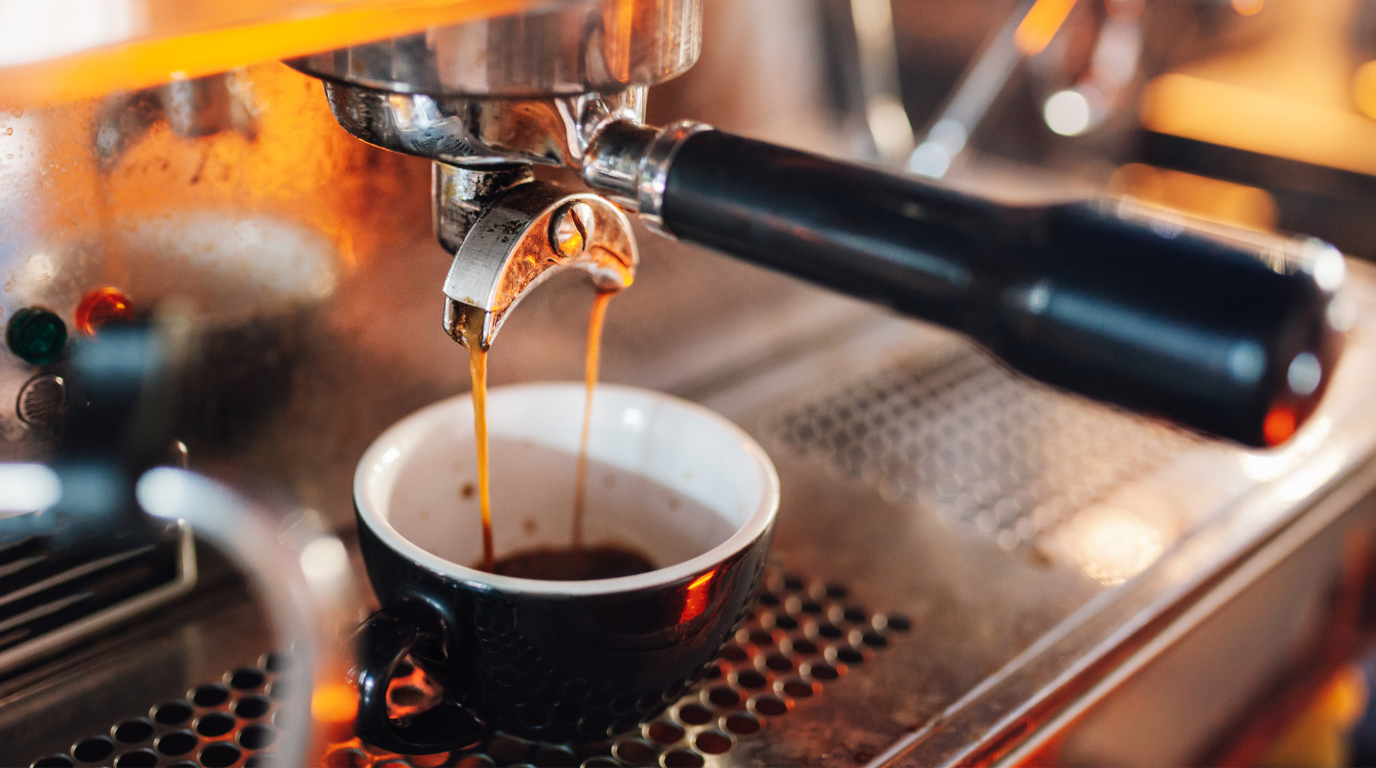
| Espresso | About a week or more | Pressure and a fine grind make shots sensitive to trapped gas |
| Light roasts | Often longer than dark roasts | Denser beans that keep releasing gas for weeks |
| Dark roasts | Often shorter | More porous beans that release gas faster |
After the rest, most coffee is at its best for the following few weeks, as long as it is stored well. The roast date on the bag tells you where you are in that window; our guide to reading a coffee label explains how to find it and why a best-before date alone tells you much less.
How to tell where your beans are
- Watch the bloom. A big, bubbly rise that keeps foaming means the coffee is very fresh. A gentle rise means it has rested. No rise at all suggests it is old or was ground long ago.
- Check the bag. A bag that is still puffed up against its valve is still degassing.
- Taste across a week. Brew the same coffee the same way on several days after the roast date and note when it tastes sweetest and most settled.
- Listen to espresso. If shots from the same grind setting keep running faster over the first week, the coffee is settling down; once they stabilise, it is ready.
Storing coffee so the rest is not wasted
Degassing and staling happen together: as gas leaves, aroma leaves with it, and oxygen begins to dull the flavour. Keep beans whole until brewing, store them in an airtight, opaque container or the original valve bag pressed flat and sealed, and keep them away from heat and light. Buy amounts you will finish within a few weeks. Our guide to coffee storage mistakes covers freezing, jars and the other habits that make the biggest difference.
What this means for Jamaica Blue Mountain
Jamaica Blue Mountain is usually enjoyed for its balance and gentle sweetness, qualities that are easy to blur with a gassy, unevenly extracted brew or a stale one. Giving the beans a short rest, grinding just before brewing and using them within a few weeks lets those qualities come through. If you roast at home, our guide to roasting coffee beans at home explains how resting fits into the process. For brewing at home, start with whole beans such as our Jamaica Blue Mountain whole beans, or browse the shop.
Sources
Frequently Asked Questions
What is coffee degassing?
How long should I wait to brew coffee after it is roasted?
Why does fresh coffee bubble so much when I pour water on it?
Does ground coffee degas faster than whole beans?
What is the valve on a coffee bag for?
Was this helpful?
Ready to taste it?
Shop 100% authentic Jamaica Blue Mountain Coffee — whole bean, ground and pods.
Shop Coffee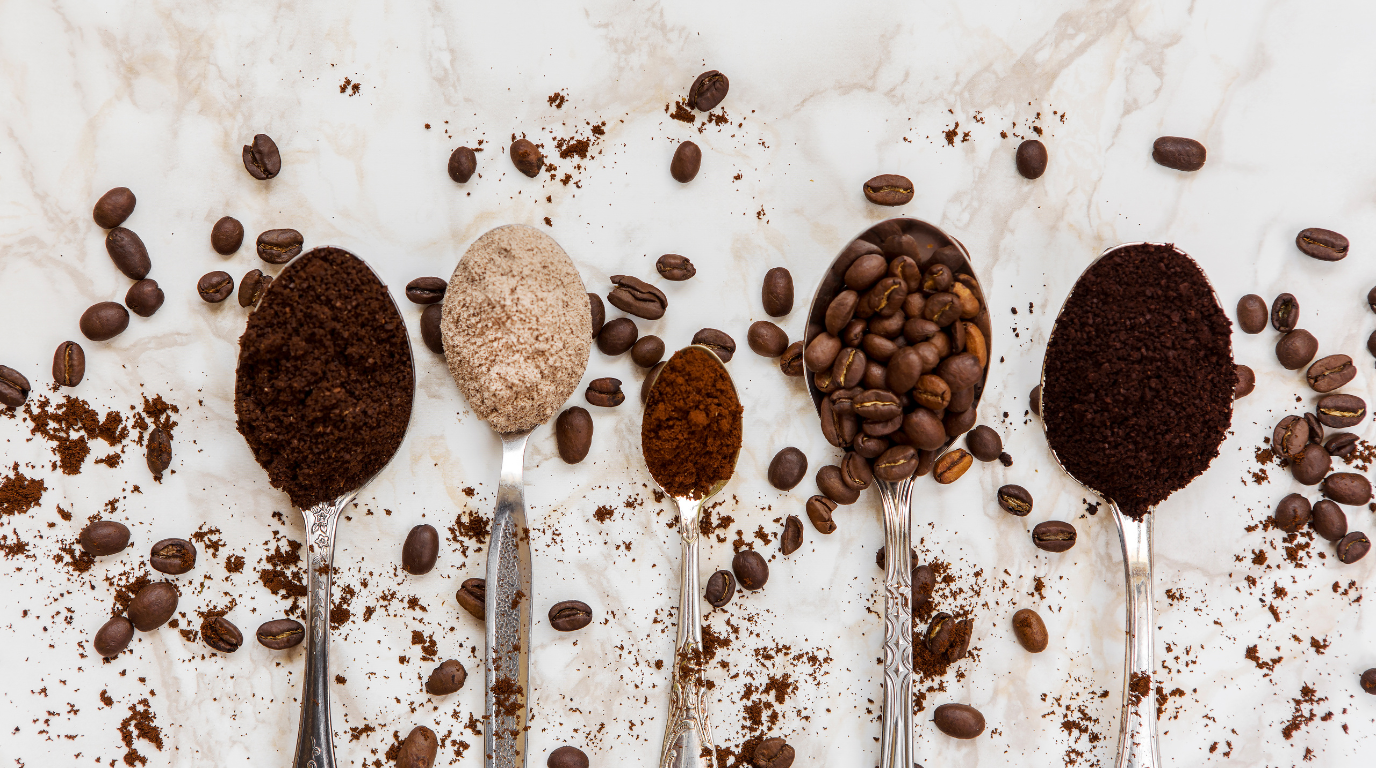

0 Comments
Be the first to share your thoughts.
Leave a comment
Please sign in with your email to leave a comment.